As interior designers based in Great Rissington, just outside Bourton-on-the-Water, the Cotswolds is not simply a location we work in — it is the landscape we live within, the architecture we engage with daily, and the context that shapes every project we take on.
This guide draws on years of experience designing and renovating homes across the region: from centuries-old stone farmhouses to refined country residences, from Arts and Crafts village houses in Chipping Campden to medieval townhouses in Burford.
It is written for homeowners undertaking a renovation in the Cotswolds, as well as those seeking to better understand what makes designing in this setting so distinctive. For those considering working with interior designers in the Cotswolds, it also offers an insight into how a considered approach can shape the outcome of a project.
Understanding Cotswold Architecture
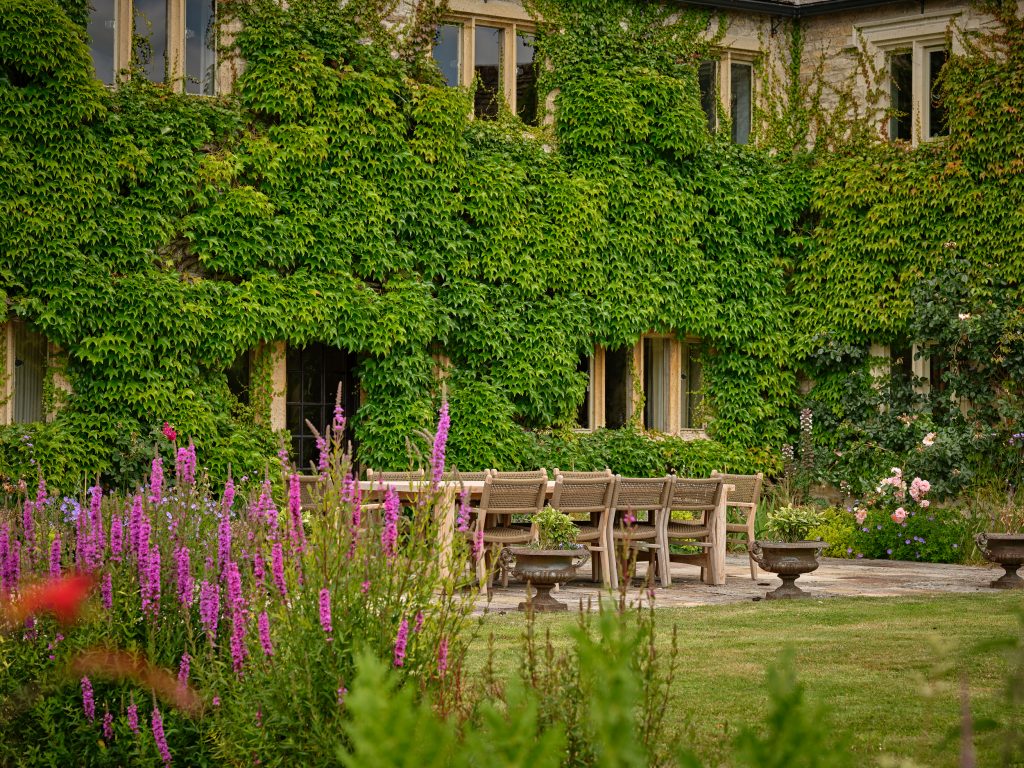
Every successful Cotswolds interior begins with a close study of the building itself.
These homes are defined by thick limestone walls, deep-set windows, generous fireplaces and often irregular proportions. While the warm local stone creates a sense of cohesion across the region, the character of each village varies in ways that meaningfully influence how interiors should be approached.
At Studio Bellord, we begin every project by analysing ceiling heights, sightlines, room relationships and the way natural light moves through the house. These observations guide layout decisions and interior detailing, ensuring that finished spaces feel calm, coherent and inherently connected to the building.
Architectural nuances across the Cotswolds
- Bourton-on-the-Water is shaped by the River Windrush, with softer, more informal architectural rhythms.
- Chipping Campden reflects the legacy of the Arts and Crafts movement, where joinery and detailing require a more considered response.
- Broadway is defined by wider streets and more elegant façades, lending itself to calmer, more layered interiors.
- Stow-on-the-Wold retains a strong sense of historic character, with thick stone walls, deep window reveals and more enclosed spatial qualities.
- Burford presents a layered architectural landscape, where medieval structures sit alongside later Georgian interventions.
- Kingham offers a quieter, more rural character, with properties that often evolve more organically within the landscape.
Understanding these nuances allows interiors to feel rooted in their setting rather than imposed upon it.
Renovating a Cotswolds Property: Key Considerations
Renovating in the Cotswolds is both a privilege and a responsibility. This early stage of planning is critical, and typically forms part of a broader design process that carries a project from initial concept through to installation.
Heritage and planning constraints
Many homes are listed or located within conservation areas, meaning even modest alterations may require consent. Changes to layouts, windows, fireplaces, staircases or materials often require listed building consent or planning permission. Early collaboration with architects, conservation officers and interior designers ensures that design decisions respect the building from the outset — and avoids costly changes later in the process.
Layout and flow
Older properties were not designed for contemporary family life, making spatial planning one of the most transformative aspects of a renovation.
Rather than defaulting to fully open-plan layouts, the most successful Cotswolds homes strike a balance between openness and intimacy. Spaces connect naturally while original features are preserved. Uneven walls, low ceilings and irregular proportions are embraced as part of the building’s character — not problems to be solved, but qualities to be designed around.
Material choices
Natural materials sit most comfortably within Cotswold homes. Limestone, timber, lime plaster, wool and linen all age beautifully and develop character over time.
Contemporary interventions — bespoke joinery, modern lighting, new finishes — should feel quietly confident rather than dominant. The aim is harmony, not contrast for its own sake. This approach underpins many of our recent Cotswold projects.
Lighting
Many period properties suffer from limited natural light. A layered approach — combining architectural, decorative and ambient sources — creates warmth and flexibility throughout the day and into the evening.
Carefully positioned lighting also enhances texture, drawing attention to stone walls, beams and handcrafted finishes in a way that brings atmosphere and depth to a space.
Bespoke joinery
Tailored joinery is one of the most effective ways to modernise a period property without compromising its character. Built-in cabinetry can respond to uneven walls and unusual proportions, while practical spaces — boot rooms, pantries and utility rooms — support the demands of modern country living without disrupting the overall aesthetic. These elements often form part of a wider interior design approach.
Designing for Modern Living Without Losing Character
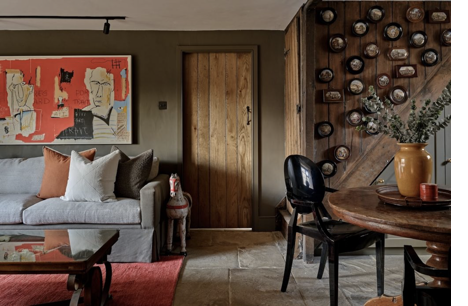
The most common challenge when designing a home in the Cotswolds is avoiding a sense of pastiche. Character should be respected, not exaggerated.
Original features — beams, fireplaces, stone floors — should be allowed to breathe. Contemporary elements are introduced with restraint, creating a quiet balance between old and new. Refined joinery, subtle lighting and pared-back finishes ensure that interiors feel neither overly rustic nor over-restored.
Kitchens often become the heart of the home, supported by well-planned utility spaces and integrated storage. When handled well, the result is a home that feels intuitive to live in — where modern comfort sits naturally within a historic framework.
Materials, Colour and Texture in Cotswold Interiors
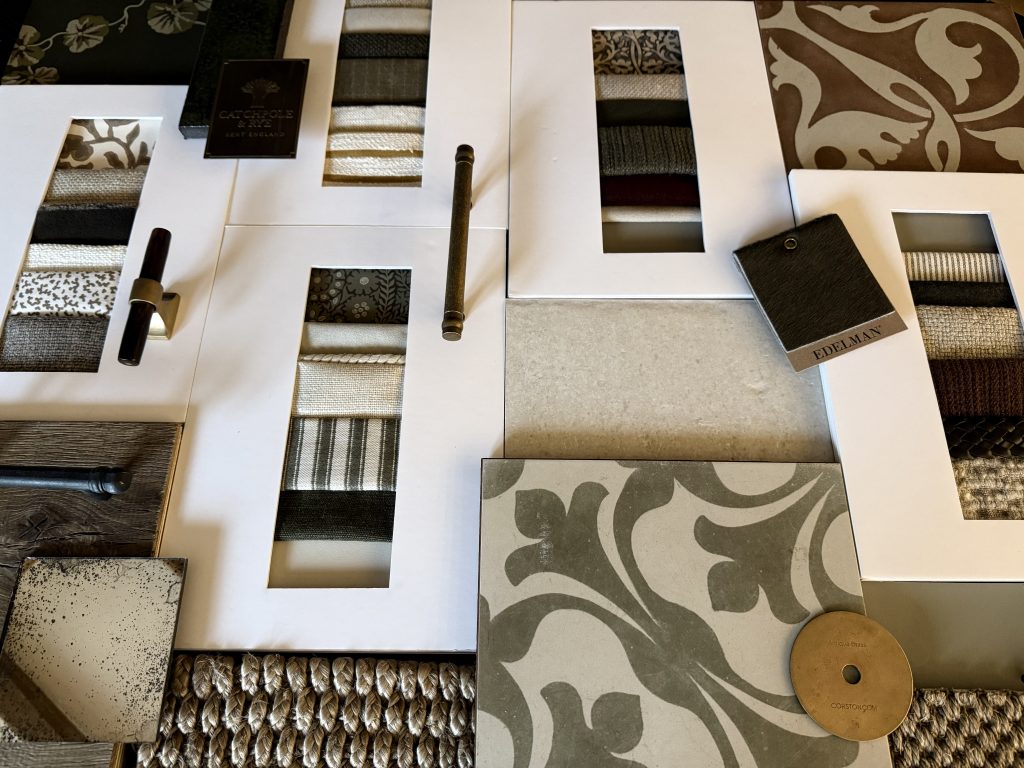
Cotswold interiors are shaped as much by materiality as by architecture.
Colour palettes tend to be understated and tonal, drawing from the surrounding landscape — warm neutrals, muted greens, soft blues and earthy hues. These create a calm, cohesive backdrop that allows materials to take precedence over decoration.
Texture plays a defining role. The layering of timber, stone, linen, wool and upholstered elements introduces depth and warmth, ensuring that interiors feel inviting and lived in rather than overly styled.
For sourcing, the Cotswolds offers a remarkable range of antique dealers and specialist suppliers. In Tetbury, Brownrigg, Twig and Lorfords are among the finest in the region for furniture and decorative antiques. Original House, in the village of Calmsden, is another exceptional destination. For fabric, Rapture and Wright in Evenlode carries a range of colours and patterns that sit naturally within Cotswold settings.
This approach prioritises longevity over trend, creating homes that evolve gracefully over time rather than requiring constant reinvention.
Finding the Right Property
For those still searching for their Cotswolds home, local expertise makes a significant difference. We have had the pleasure of working alongside Peter and Francesca Sharvell of Sharvell Property — a contemporary boutique estate agency with deep local knowledge and a genuinely personal approach to buying and selling in the region.
Their understanding of individual villages, off-market opportunities and what makes each area distinct has proved invaluable for many of our clients. As they often observe: houses are bought on feeling. The best properties have soul — and the Cotswolds has more than its share of them.
A Cohesive Design Approach
Successful projects in the Cotswolds rely on clarity and continuity from the outset.
At Studio Bellord, we take a considered and highly personal approach. All designs are developed by hand, allowing for a more intuitive and considered response to each property. Every project is led by Camilla and Tom directly, with no delegation to junior designers. We work closely with architects, builders and specialist trades from concept through to installation, providing detailed drawings and specifications to ensure that design intent is carried through at every stage.
Regular site involvement ensures that decisions are resolved thoughtfully and that the integrity of the design is maintained as the project progresses. The result is a home that feels resolved rather than pieced together — coherent, practical and quietly enduring.
Designing for Longevity
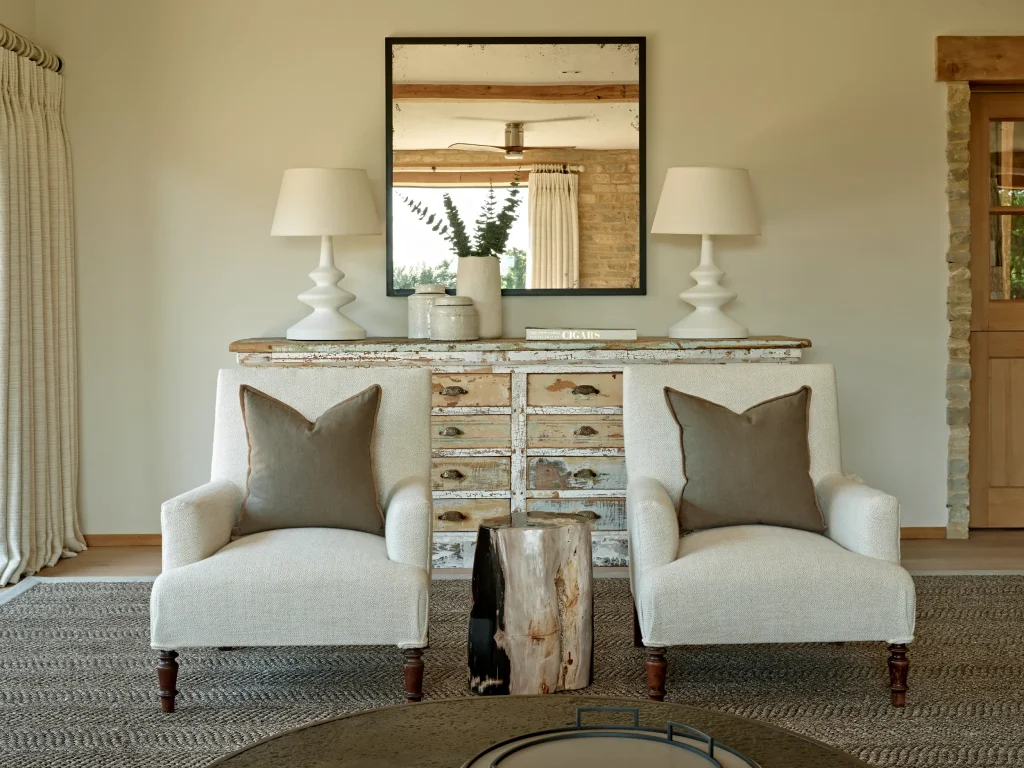
A well-designed Cotswold home should feel as relevant in twenty years as it does today.
Longevity comes from restraint, quality and a clear understanding of how a home will be used. Craftsmanship, natural materials and considered detailing ensure that interiors age gracefully rather than date quickly.
In this context, luxury is defined not by excess, but by comfort, usability and a sense of permanence.
Considering a Project in the Cotswolds?
If you are planning a renovation or interior project in the Cotswolds, Gloucestershire or Oxfordshire, we would be delighted to discuss how we can help shape your home.